

Over the past decade, solar energy has quietly moved from a niche solution to a mainstream, reliable source of electricity that underpins Britain’s ambitions to lead the world in clean power. With the publication of the UK Government’s Solar Roadmap 2025, the intention to accelerate deployment could not be clearer. The roadmap outlines an ambition to increase installed solar capacity to 45–47 gigawatts by 2030, with the possibility of reaching 57 gigawatts if rooftop installations scale at pace. It’s an opportunity on a scale we haven’t seen before—a moment when homeowners, businesses, and communities can all play a part in reshaping how the country produces and uses energy.
At Coactivation Solar, we have witnessed first-hand how quickly perceptions of solar have evolved. No longer is it simply an environmental statement or an optional upgrade. Solar is now often seen as an essential investment in energy independence and a practical response to volatile electricity prices. The current policy environment recognises this shift and aims to remove the obstacles that have slowed adoption, whether through reforming planning rules, simplifying grid connections, or improving finance options for property owners.
The Government’s Solar Roadmap speaks with confidence about the potential for a rooftop revolution. Domestic rooftops, commercial warehouses, car parks, and public buildings all have a role to play. In practice, however, many of the same challenges continue to resurface. Homeowners remain cautious about navigating planning consent and grid applications. Businesses are sometimes unsure about how to secure financing that aligns with their cash flow. Local authorities often face resource constraints when they want to move quickly. As installers, we see these challenges as an opportunity to bring clarity and expertise into every conversation, because the most effective way to accelerate solar deployment is to demystify the process and remove unnecessary complexity.
One of the most significant changes announced in the roadmap is the removal of the 1MW planning cap on non-domestic rooftop installations. This seemingly technical adjustment has profound implications for the commercial sector, especially for logistics and warehousing, where vast roof spaces have been left underused for years. According to research cited by the UK Warehousing Association, the 20% largest warehouses in Britain could support around 15GW of rooftop solar capacity, enough to power millions of homes. For commercial property owners, this represents not just a chance to lower operating costs but to contribute meaningfully to national energy security targets. Coactivation Solar is already working with businesses across the East Midlands to prepare sites for this new era of large-scale rooftop generation, ensuring designs are fully compliant and ready to connect as the grid reforms come into effect.
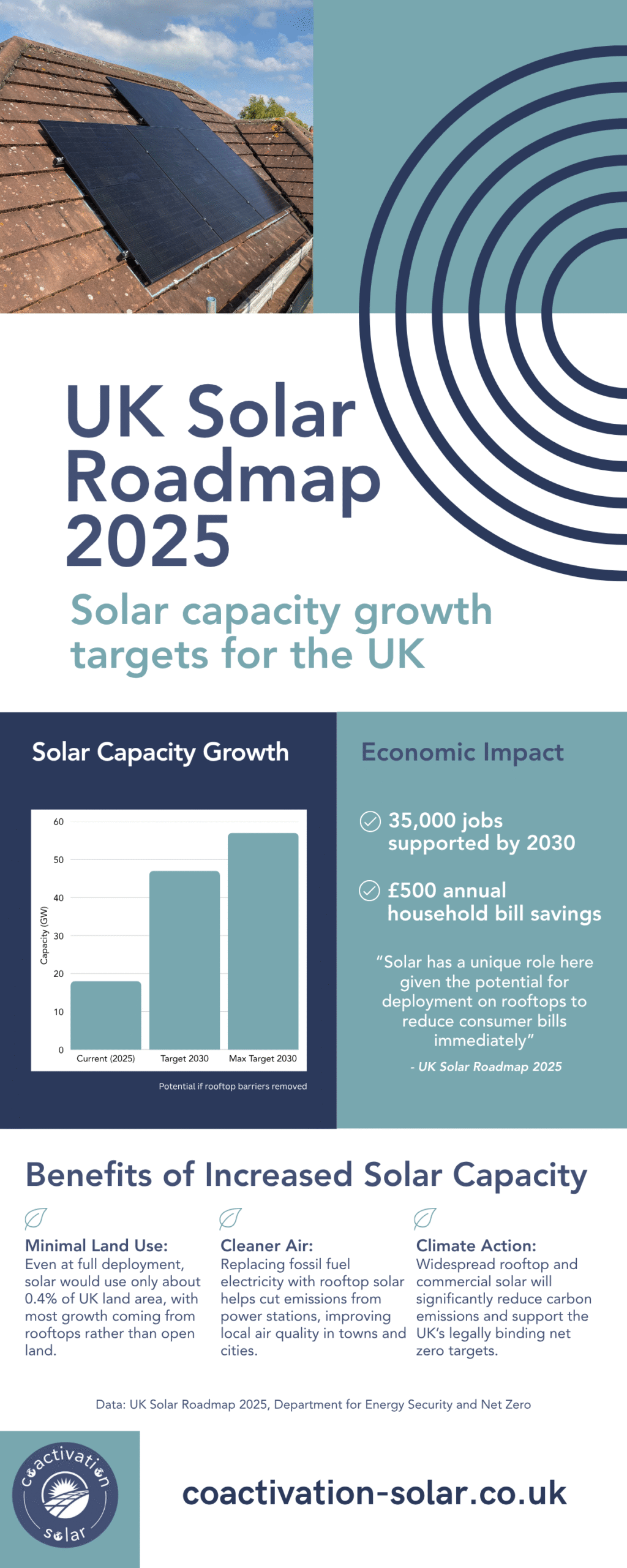
For domestic customers, the promise of rooftop solar has always combined practical savings with a sense of ownership over energy use. The roadmap estimates that a typical household could save around £500 a year by installing solar, based on current energy price caps. Yet it also acknowledges that upfront costs remain a concern for many. Programmes such as the Warm Homes Plan and the proposed reforms to green finance aim to reduce these barriers, so more households can take the step towards self-sufficiency. From an installer’s perspective, this shift requires a commitment to clear advice, transparent pricing, and a smooth experience from survey to installation. At Coactivation Solar, we believe that consumer confidence grows when information is readily available and when expectations are set accurately from the very first enquiry.
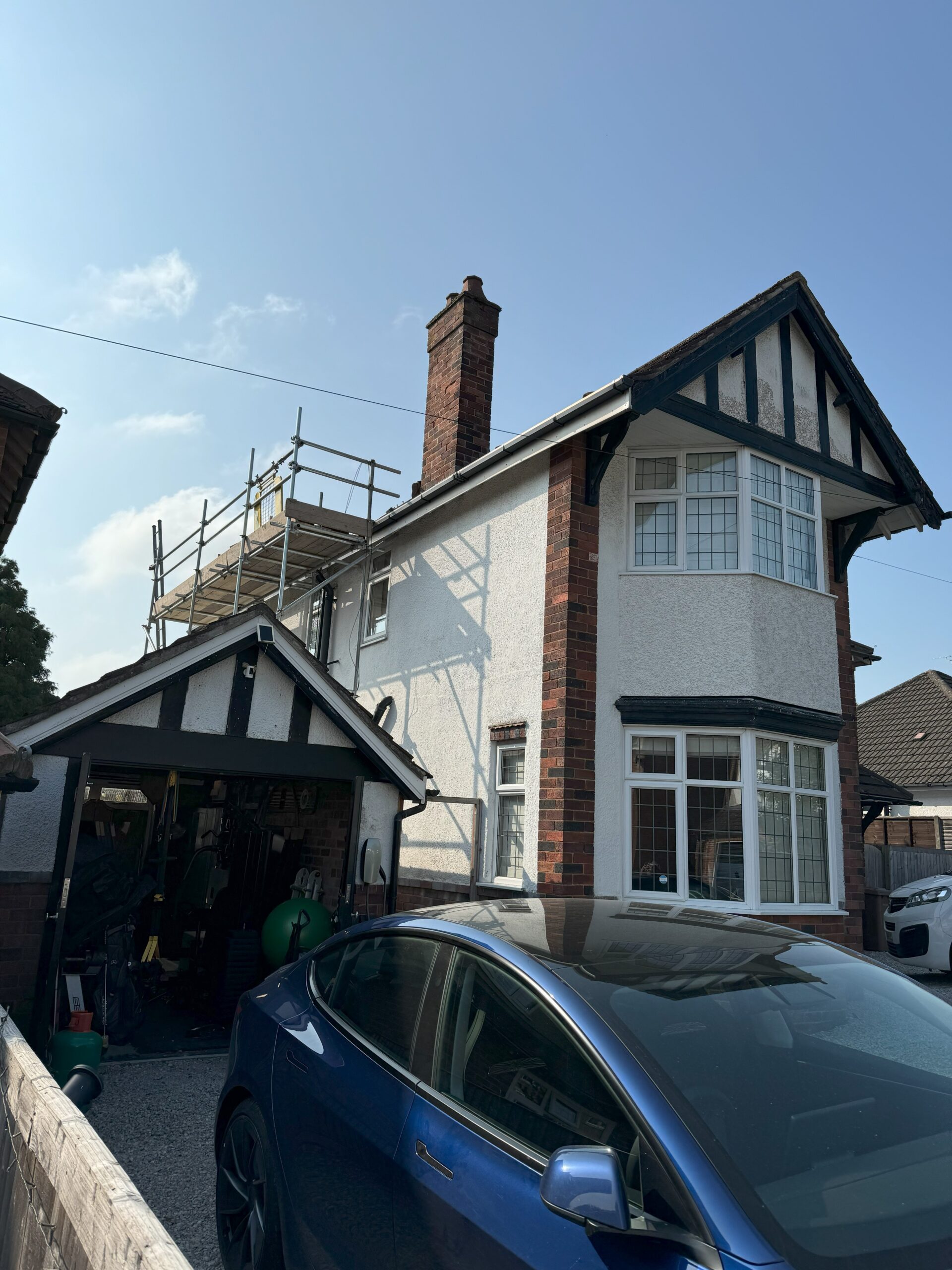
For public sector buildings, such as schools, hospitals, council facilities, the roadmap signals a strong intention to lead by example. The government has committed to match funding for solar installations on around 200 schools and 200 hospitals across England, a clear demonstration that clean energy investment is a priority across every level of society. We are often approached by public sector organisations who recognise the value of solar but need reassurance about long-term maintenance and system performance. This is where working with an accredited, experienced installer makes a significant difference, because professional guidance can unlock opportunities that might otherwise be missed in the face of budget constraints or complex procurement processes.
The roadmap also acknowledges that scaling up solar will require more than policy and funding. A skilled workforce is essential. With an estimated 35,000 jobs to be supported by the sector by 2030, there is both a challenge and an opportunity to build careers that are secure, well-paid, and valued. Training and competency frameworks will need to evolve quickly to meet this demand.
At Coactivation Solar, we are investing in the development of our team, bringing apprentices and experienced tradespeople together so that skills are transferred, and quality is maintained as volumes grow. This commitment to training is not an optional extra; it’s a vital part of delivering projects safely, efficiently, and to the high standards that clients rightly expect.
There is also growing interest in more innovative applications – solar canopies over car parks, floating solar on reservoirs, and plug-in modular systems for renters and smaller premises. While some of these technologies are still in early stages or subject to regulatory review, the trajectory is clear: solar is no longer confined to traditional roof spaces. For installers, this means a readiness to adapt and to guide clients through options that may have been unheard of even a few years ago.
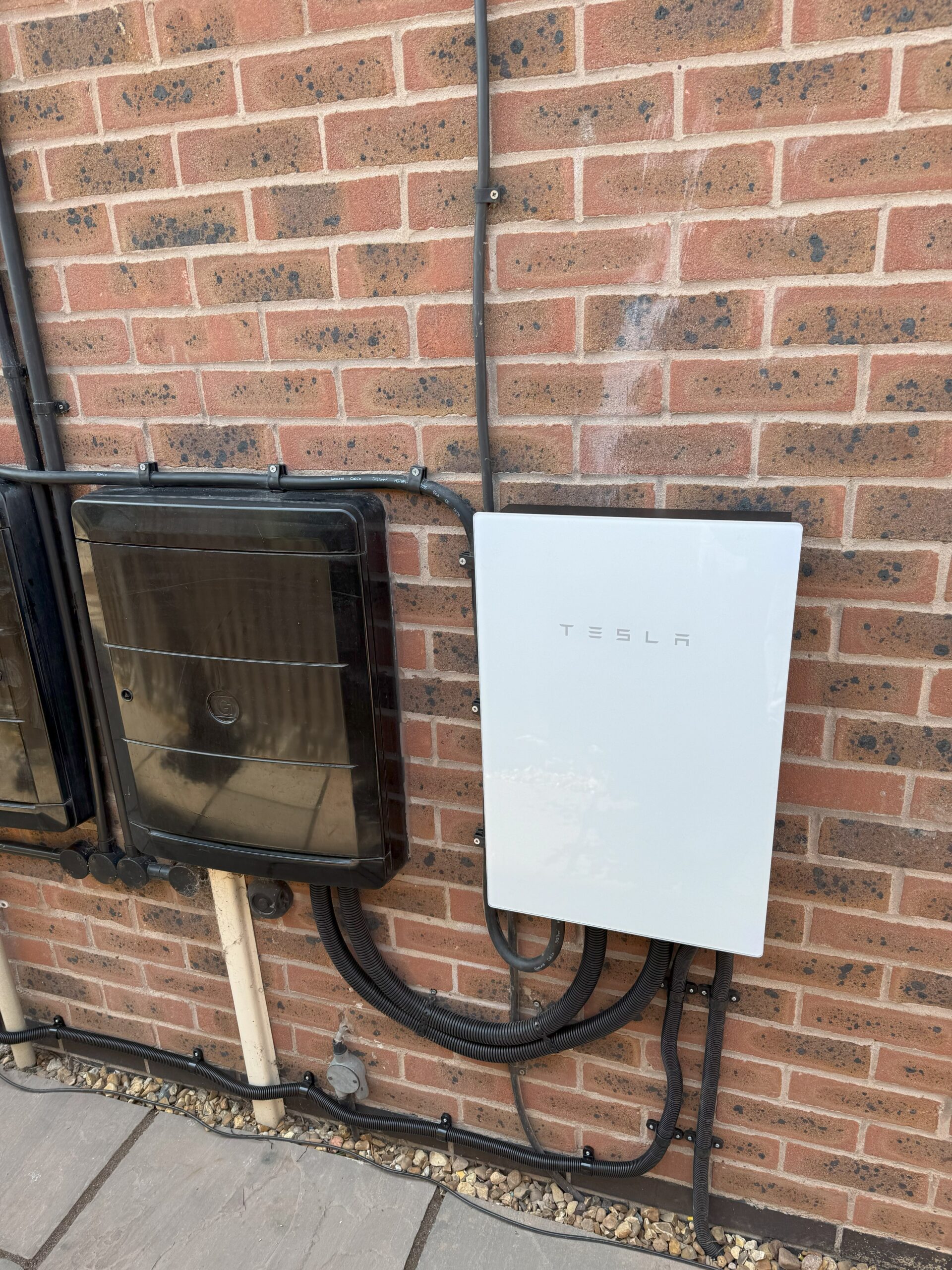
As Britain moves towards 2030 and beyond, the roadmap provides a clear direction of travel. For anyone considering solar, whether to reduce costs, meet sustainability goals, or protect against rising prices, the time to act has never been better. What was once seen as an ambitious target is now a shared commitment across government, industry, and the communities we serve. With the right partnerships and the expertise to deliver, we have every reason to be confident that the rooftop revolution is not only possible but already underway.
Further Reading

